
FREE GUIDE FOR CLINICIANS
Help Your Patients Find Answers
Without risking their privacy
A trauma-informed guide for psychiatrists, therapists, physical therapists and chiropractors on when and how to mention a lawyer, and what HIPAA allows.
WHAT'S INSIDE
- Signs a patient's story may raise a legal question
- Exact words to say (and what to avoid)
- HIPAA basics: authorizations, psychotherapy notes, subpoenas
THE PROBLEM
You hear what other people never do.
Sometimes it's a crash that left a patient in pain. Sometimes it's abuse in a troubled-teen program, a church, a school or a youth program, said out loud for the first time.
You want to help. But you also have to protect their privacy, your license and the trust you've built, without sounding like you're pushing a lawsuit.
“How do I help without overstepping?”
YOUR GUIDE
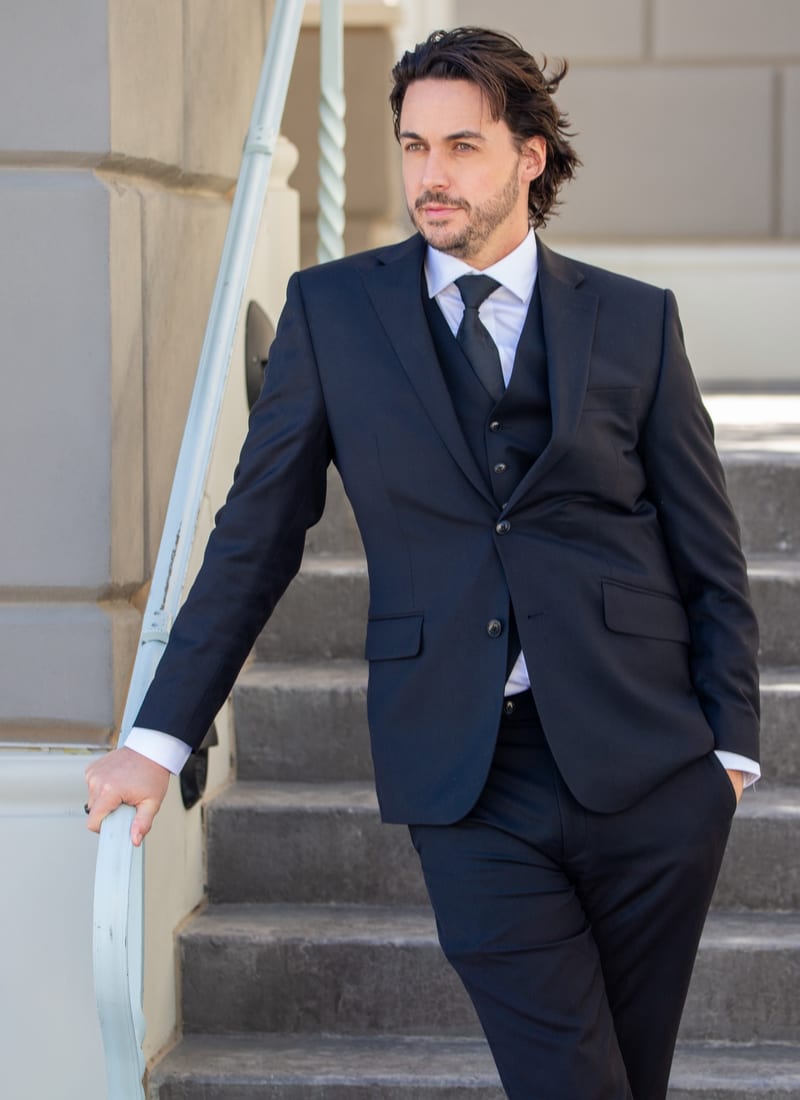
Frank Stucki, Esq., MBA
I work with survivors at their pace. Many of them never thought anyone would believe them, and the clinician who listened first often made the difference.
My practice focuses on people hurt in crashes and survivors of institutional abuse, including the troubled-teen industry. I'm licensed in California, Nevada, Washington and Utah.
THE PLAN
Three simple steps
STEP 1
Notice
Recognize when a patient's story may involve a legal question.
STEP 2
Mention
Tell the patient a lawyer is an option. You share nothing about them.
STEP 3
Let them decide
The patient makes the call, when and if they're ready.
If you wait
- A patient never learns their options
- A deadline passes quietly
- Records go out without the right authorization
When you act
- Your patient feels heard and in control
- Your privacy and ethics duties are protected
- The patient gets answers when they're ready
YOUR NEXT STEP
Get the free guide now
It takes 10 seconds. Keep it in your office for the patients who need it.
Questions about how this works for your practice? 702.702.BORN · Frank@FrankStucki.com
Southern California (310) 299-9PCH · Washington (206) 657-5PNW · Utah (385) 585-5SLC
Frank Stucki, Esq., MBA · Frank Stucki Law · 1980 Festival Plaza Dr., Ste. 300, Las Vegas, NV 89135 · 702.702.BORN. Licensed in California, Nevada, Washington and Utah; cases in other states are handled with local co-counsel licensed there. Your mandatory-reporting duties are separate and come first. No payment is given or received for referrals, in either direction. General information, not legal or clinical advice. Attorney Advertising.
